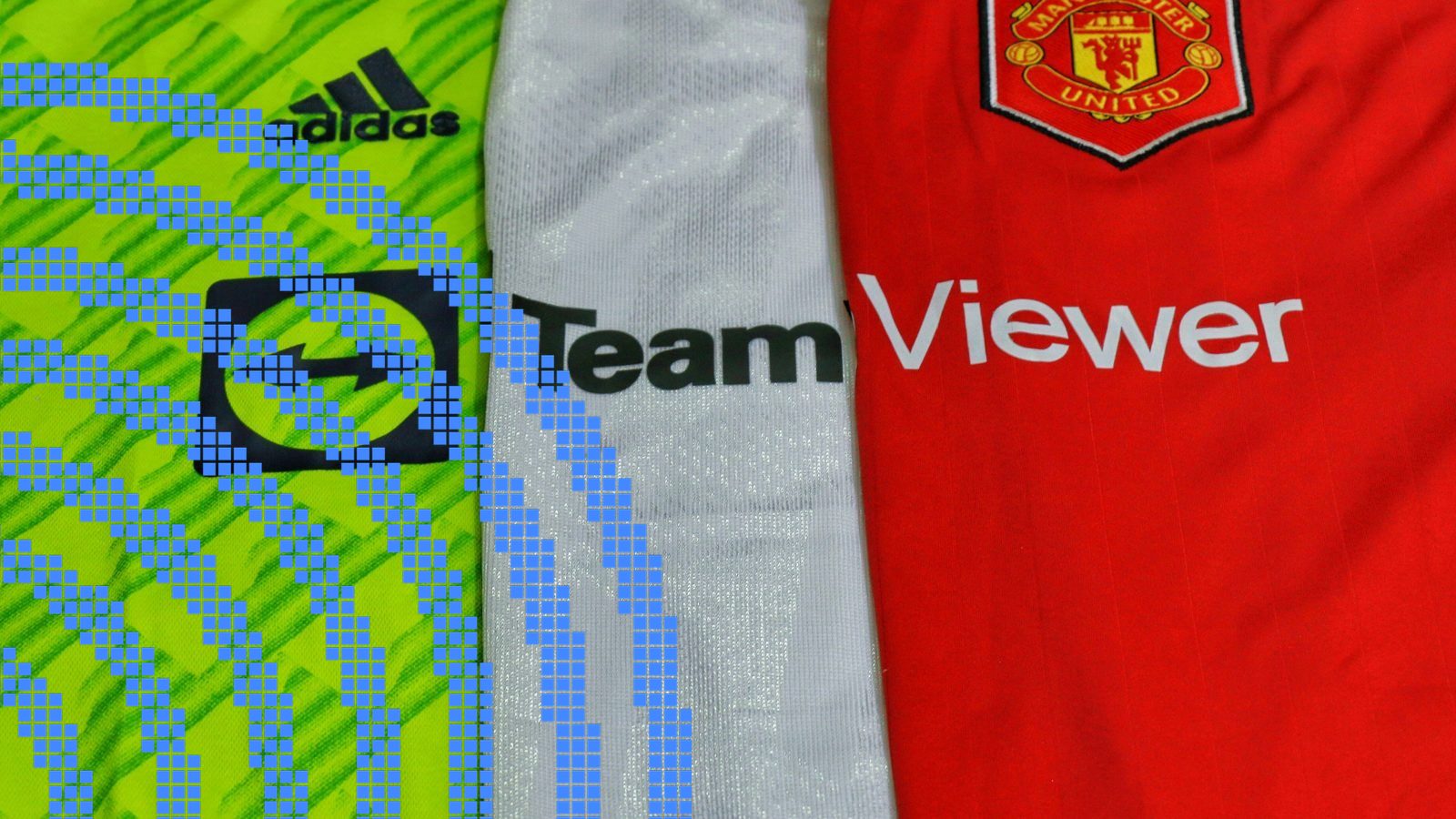
Premier League shirt sponsors and the £80m measurement problem
Betting brands paid prices that had little to do with the value of the shirt. The clubs benchmarking against those deals will under-sign for the next two seasons. The fix is measurement, not more partners.
The headline number now sits at around £80m. That is the aggregate front-of-shirt sponsorship value Premier League clubs are reported to be losing as the betting-brand ban takes effect for 2026/27. The Irish Times put the figure in print on 5 April. The All-Party Parliamentary Group on Gambling Reform reinforced the direction of travel on 8 May. Ten clubs still do not have a confirmed front-of-shirt partner for the season ahead. Outside the Big Six, replacement offers are reportedly down by around 50% on what betting was paying.
£80m
aggregate front-of-shirt value reported lost
50%
drop in replacement offers outside the Big Six
10
clubs without a confirmed front-of-shirt partner
The obvious read is that the league has lost £80m of inventory value and the replacement market has to catch up.
That is not what happened.
Why betting paid what it paid
What happened is that one category, online betting, paid prices that no other category was ever going to pay, for reasons that had very little to do with the value of the shirt. Betting brands underwrote front-of-shirt deals against a closed attribution loop. A brand impression at the Premier League’s broadcast reach, multiplied by a category-specific conversion rate, multiplied by the lifetime value of an acquired gambler, justified the spend. The acquired gambler was the product, not the shirt. I was involved in one of the early online gambling deals that swept the league. Good times, and as club commercial teams, we lapped it up.
The acquired gambler was the product, not the shirt.
Neil KentFounder, Earl
Why the replacement pool bids less
No other category currently in the replacement pool has the loop. Fintech, crypto exchanges, retail trading, job platforms, lifestyle brands. They buy front-of-shirt exposure for brand effect, not for measurable acquisition. Their internal models do not produce a number that justifies £8m to £12m a season for inventory they cannot attribute against. So they bid what brand-effect inventory is worth, which is roughly half what betting was paying. That is not a market failure. That is the market returning to the price the inventory was actually worth without the betting distortion.
Why parity deals are not parity
This matters because clubs benchmarking against 2024/25 betting deals are sitting unsigned 30 to 60 days longer than clubs benchmarking against non-betting averages across the rest of European football. We are seeing it in the deal flow.
The measurement layer that closes the gap
The harder and more useful question is what closes the gap between the brand-effect price and the betting price. The answer is measurement. The clubs that can offer a non-betting partner something closer to a closed attribution loop, first-party fan data, identity resolution across stadium, retail, broadcast and digital, conversion telemetry that does not depend on the partner’s own systems, can defend a higher price because they are selling a product the partner cannot build alone.
01
The fix
Sell the measurement, not the shirt
First-party fan data. Identity resolution across stadium, retail, broadcast and digital. Conversion telemetry that does not depend on the partner’s own systems. The clubs that ship this layer first will defend prices that look like 2024/25, not 2026/27.
This is the work we do at Earl
with Premier League clubs and their stadium campuses. The opportunity is not to recover the £80m by finding more partners. It is to recover it by building the layer that lets the next generation of partners pay closer to what betting did, because for the first time the inventory comes with the measurement attached.