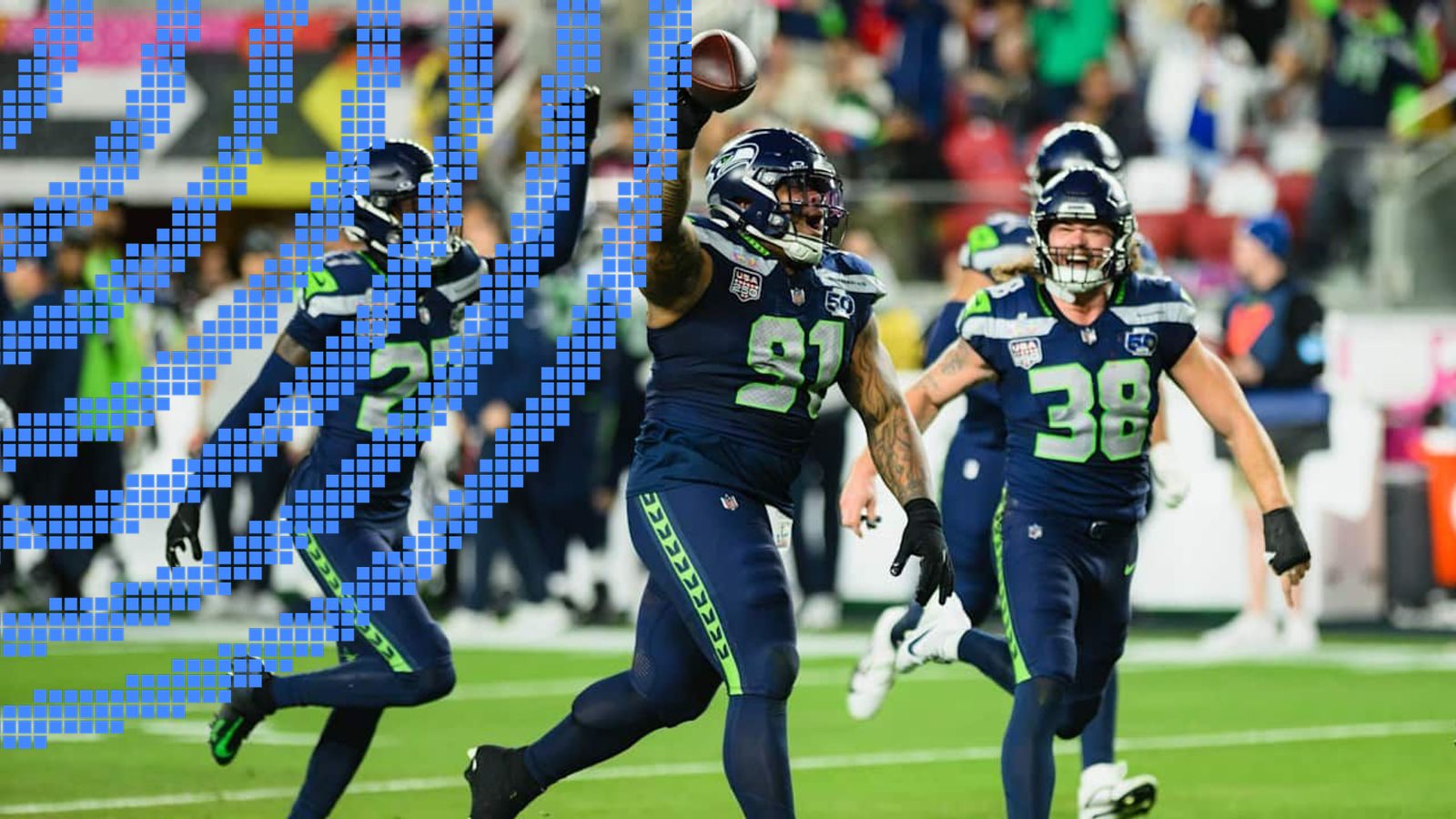
In July 2026 the Seattle Seahawks were sold for a reported $9.61bn, the highest price ever paid for an NFL franchise and more than three billion dollars above the previous record. The number is startling, but it is not really a number about football. It is a bet on future commercial income, and on the infrastructure needed to produce it. In most franchises that infrastructure does not yet exist. That is the gap the current wave of capital is quietly walking into.
Why US franchise valuations have detached from what happens on the field
The Seahawks sale sits far above the $6.05bn paid for the Washington Commanders in 2023, the previous NFL record. It also sits well above the franchise’s most recent independent valuation. Buyers are not paying for last season’s results. They are paying for scarcity, for revenue that is unusually predictable, and for a league that has repeatedly proven it can find new sources of growth. As a reference point, the Green Bay Packers, the NFL’s only publicly owned club, disclosed centralised revenue of $432.6m in a single season. That is the floor every franchise starts from before it sells a single local sponsorship or premium seat.
When an asset trades this far above its on-field logic, the premium is a claim about the future. Specifically, it is a claim that the franchise can grow commercial and media revenue for decades. The valuation is underwritten by a commercial operation that, in most cases, has never been built to institutional standard. The price assumes the machine. The machine is frequently a promise.
What changed when the NFL let private equity in
For years the NFL was the outlier that kept institutional money out. That ended in August 2024, when owners voted to allow a set of approved private-equity funds to buy passive stakes of up to 10 per cent, with each fund permitted to invest in up to six teams. The first deals cleared in December 2024: Ares Management took 10 per cent of the Miami Dolphins at an $8.1bn valuation, and Arctos took 10 per cent of the Buffalo Bills. Within a year the league had approved around seven minority transactions, including a 10 per cent stake in the New York Giants at a $10.3bn valuation.
The other leagues were already open, and they are widening the door. In December 2025 the NBA raised the number of teams a single fund can hold from five to eight. In early 2026, KKR agreed to acquire Arctos, the largest institutional investor in professional sport, in a deal that underlined how mainstream this capital has become. Institutional money in sport is no longer a trend. It is a transaction pipeline.
Private equity is not buying control, and it is not there to run the commercial department. What it brings is something arguably more consequential: institutional expectations. Funds underwrite returns, and returns in sport increasingly come from off-field revenue. That changes what owners are held to.
What institutional diligence actually looks for
The part of these deals nobody writes about is the diligence. Before a fund buys a stake, a franchise that has often never produced institutional-grade financial disclosure has to open its books to professional scrutiny: its stadium lease, its media contracts, its payroll, and increasingly the commercial engine behind its revenue forecasts.
This is where the gap becomes visible. It is one thing to tell a buyer that sponsorship and premium revenue will grow. It is another to evidence it: to show, with data, which commercial relationships are strong and which are quietly at risk, which prospects are moving toward a deal, what the audience is worth and how that value is trending. A club that can produce that evidence sails through diligence and defends its valuation. A club that cannot is asking sophisticated investors to trust a story.
Institutional capital does not just want the upside described. It wants the upside instrumented. The commercial operation has to be legible to an outsider who is paid to be sceptical.
The gap between a franchise’s valuation and its commercial operating system
Put the two halves together and the tension is clear. Valuations are being set by the expectation of decades of commercial growth. The capital funding those valuations demands that the growth be evidenced. And the commercial function inside most franchises was never built to meet either bar.
For most of modern sport, the commercial department ran on relationships, instinct and an annual report. That was sufficient when franchises changed hands rarely and buyers were individuals acting partly on passion. It is not sufficient when the buyer is an institution running diligence, or when a valuation nine or ten times higher than a generation ago rests on the commercial engine performing. The infrastructure has not kept pace with the price.
What an institutional-grade commercial operation looks like
An institutional-grade commercial operation does a few things the traditional model never could. It holds a live, structured view of every commercial relationship and prospect, so value is measured continuously rather than reconstructed once a year for a board pack. It scores those relationships, so risk and opportunity are visible before they show up in the revenue line. And it can produce, on demand, the evidence a buyer or a board needs to believe a forecast.
This is the work Earl builds. We turn a rights-holder’s fragmented relationships, data and inventory into a commercial operating system that can be measured and defended to the standard institutional capital now expects. For an owner preparing to sell a stake, or a franchise being valued on the strength of its future commercial income, that system is the difference between a valuation you can substantiate and one you can only assert.
The valuations tell you what the market believes a US team’s commercial future is worth. The diligence tells you whether the team can prove it. The franchises that close the distance between those two things are the ones that will justify the price on the way in, and command it on the way out.